During the development of our numerical methods, we recognized the need to validate our design process. And what better validation could there be than real-world testing? This led to the ambition of conducting wind tunnel experiments on our double flap laminar flow airfoil (DLF). However, wind tunnel testing is both time-consuming and expensive – assuming one can even secure a testing slot.
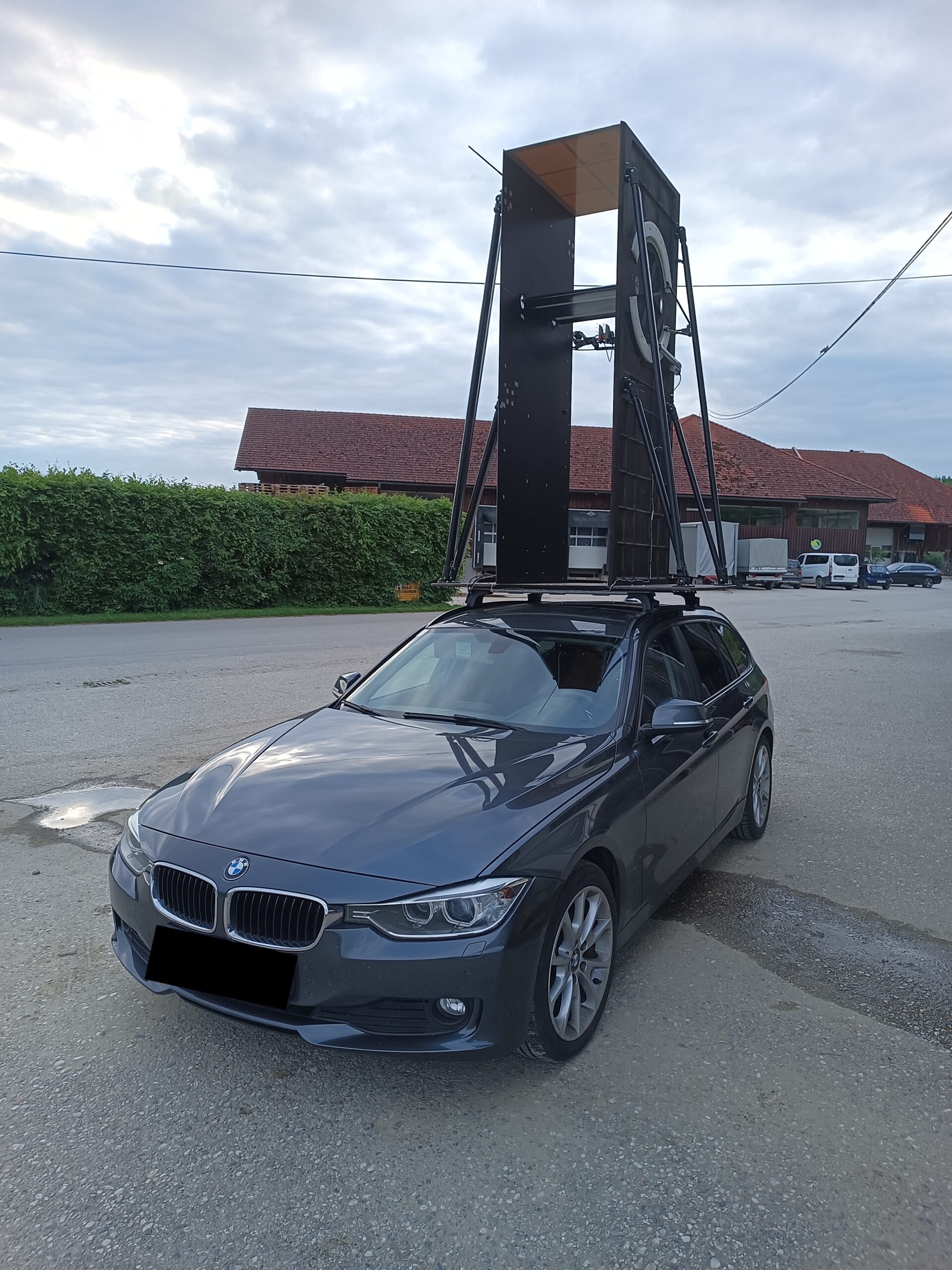
This challenge inspired an alternative approach: mounting an airfoil test system on a car to perform measurements under real operating conditions. This idea marked the beginning of MoProMa (Mobile Profilmessanlage – mobile airfoil test system).
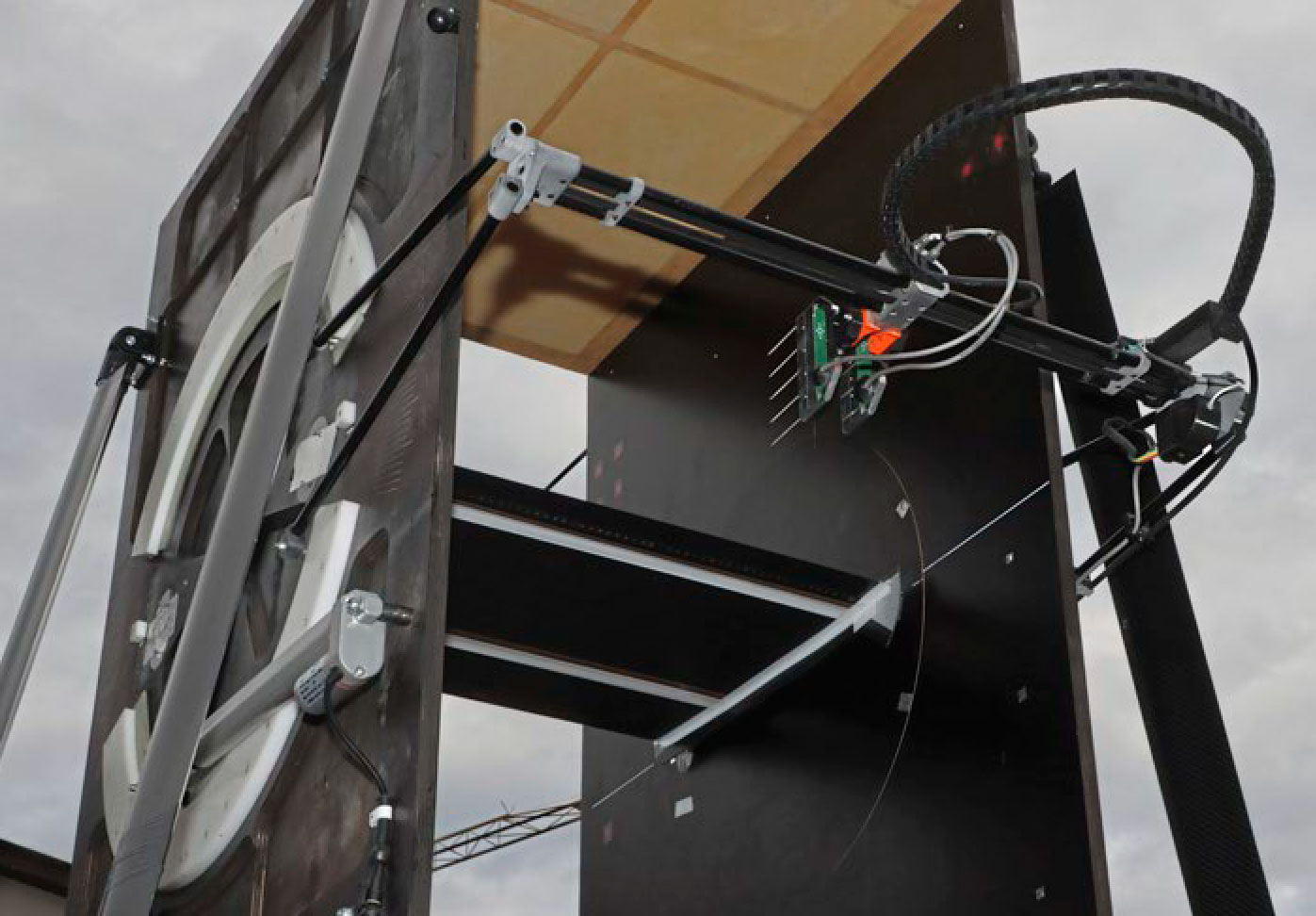
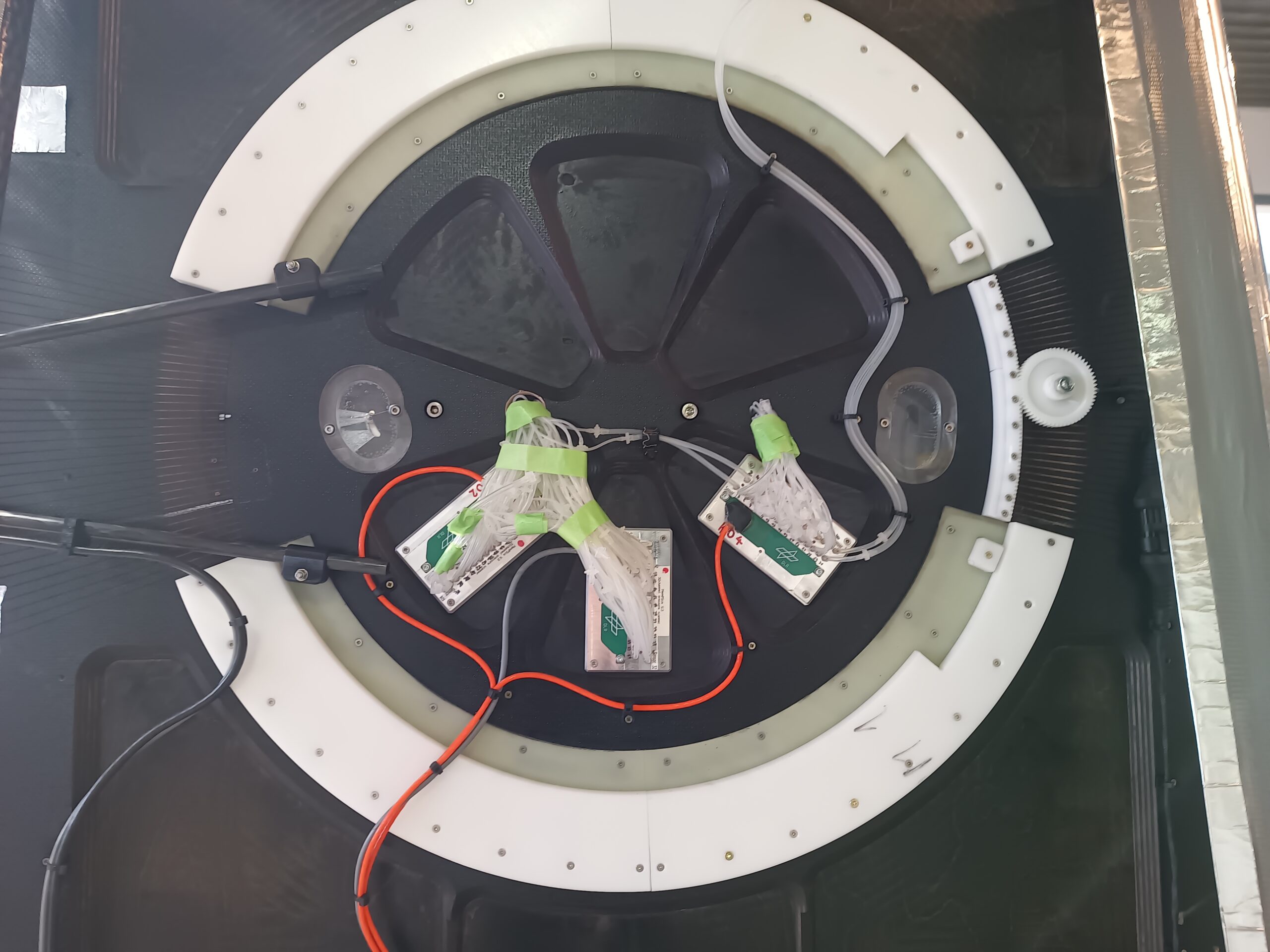
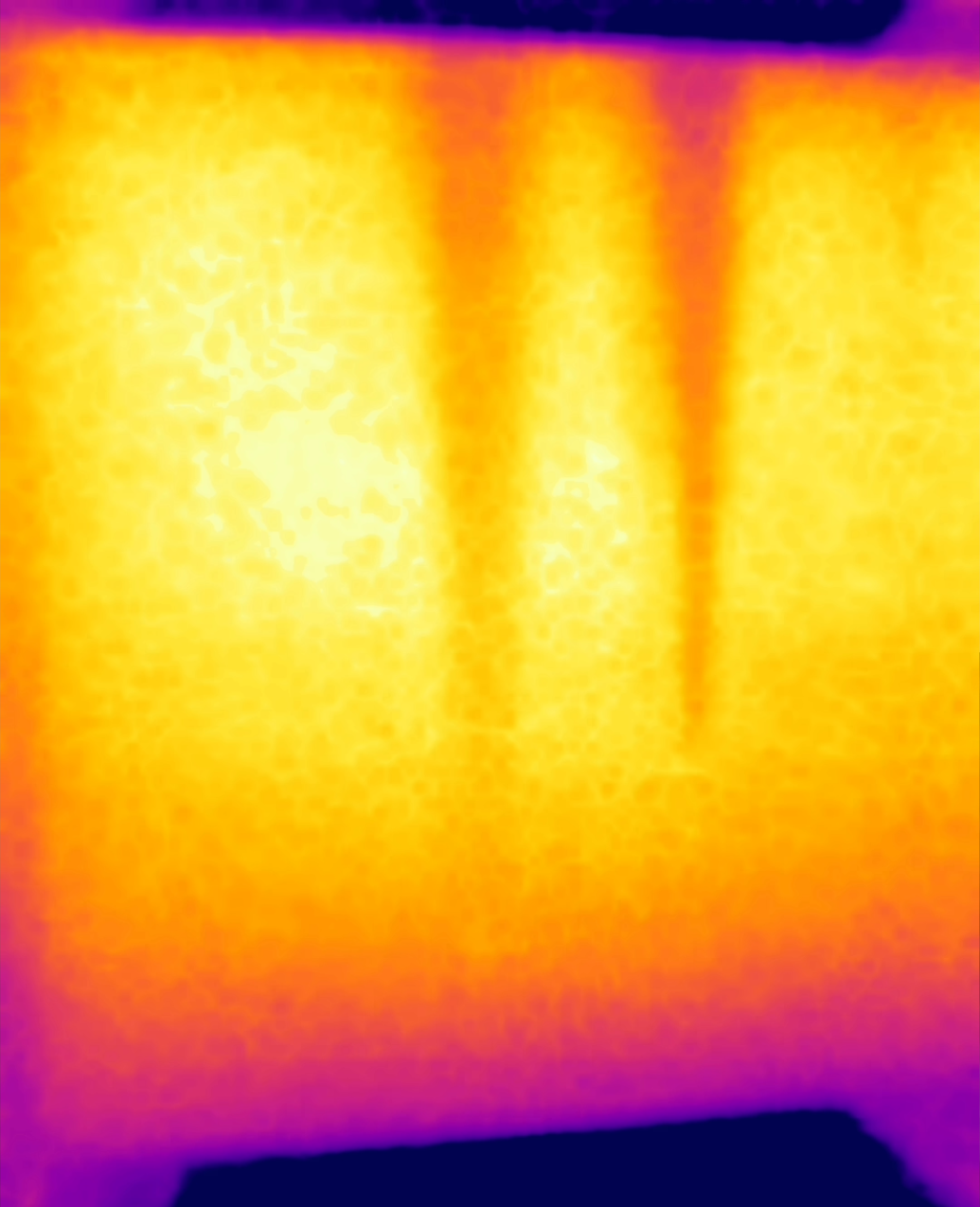
The system consists of a frame mounted onto a vehicle using brackets, allowing the user to install various airfoil configurations. The airfoil can be equipped with up to 96 high-precision pressure sensors to measure lift distribution. A traversable wake rake is used to determine drag, while the angle of attack can be adjusted between +20° and −20° The angle is monitored using a high-precision absolute encoder. Additionally, the system can be combined with a thermal camera, enabling the detection of flow separation.
This innovative mobile wind tunnel allows for rapid testing and iteration of airfoil designs, including flap settings, turbulator positions and sealing concepts – at a fraction of the cost and time required for conventional wind tunnel experiments. If combined with a rapid prototyping of the test airfoil, e.g. by additive manufacturing with integrated pressure tubes, this system is outstanding in terms of time efficiency.